Clear Problem Explanation
We explain what appears to be causing the garage door problem and which components may need attention before work moves forward.
Garage door repair · Jacksonville, FL
Broken spring, stuck garage door, damaged cable, track problem or opener issue? Get straightforward garage door repair throughout Jacksonville and nearby Northeast Florida communities.
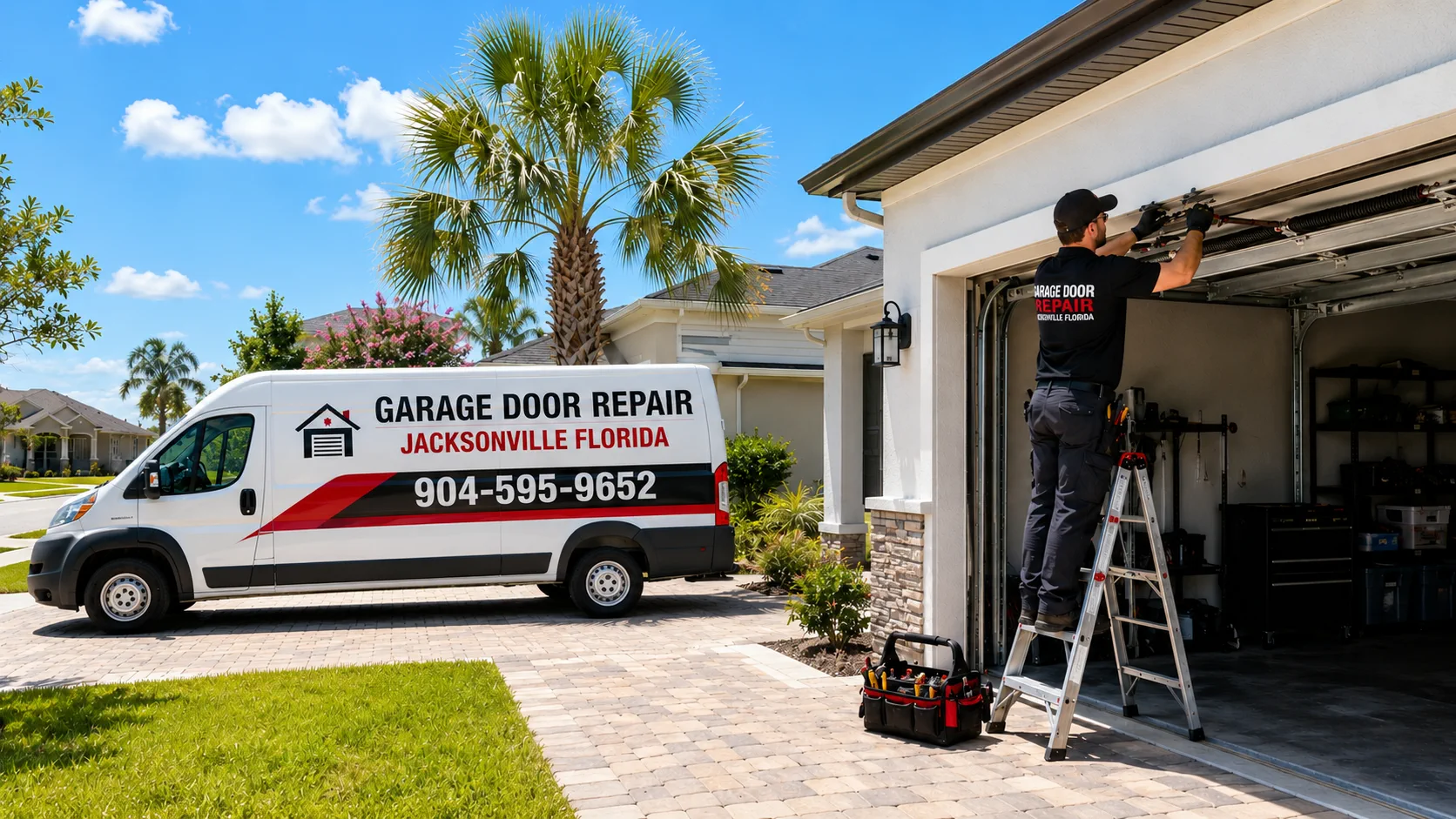
When you contact Garage Door Repair Jacksonville Florida, the goal is to make the repair process clear and easy to understand from the first conversation through completion of the work.
We explain what appears to be causing the garage door problem and which components may need attention before work moves forward.
When more than one solution is possible, we explain the differences so you can make an informed decision.
Garage door springs, cables, tracks and other loaded components can create serious hazards. Repairs should be approached with safety in mind.
Work areas are treated carefully, and the goal is to leave the garage and surrounding area clean and organized when service is complete.
Customers should understand what is being evaluated, what work is being recommended and what happens next.
When a focused repair may resolve the issue, explain that option rather than automatically steering the homeowner toward full replacement.
The site serves Jacksonville and nearby Northeast Florida communities with garage door repair, maintenance and installation information tailored to local conditions.
Make it simple to call 904-595-9652 or request an estimate through the website from desktop or mobile.
From broken springs and opener issues to damaged cables, tracks and replacement doors, start by telling us what is happening with your garage door.
Start with the symptom
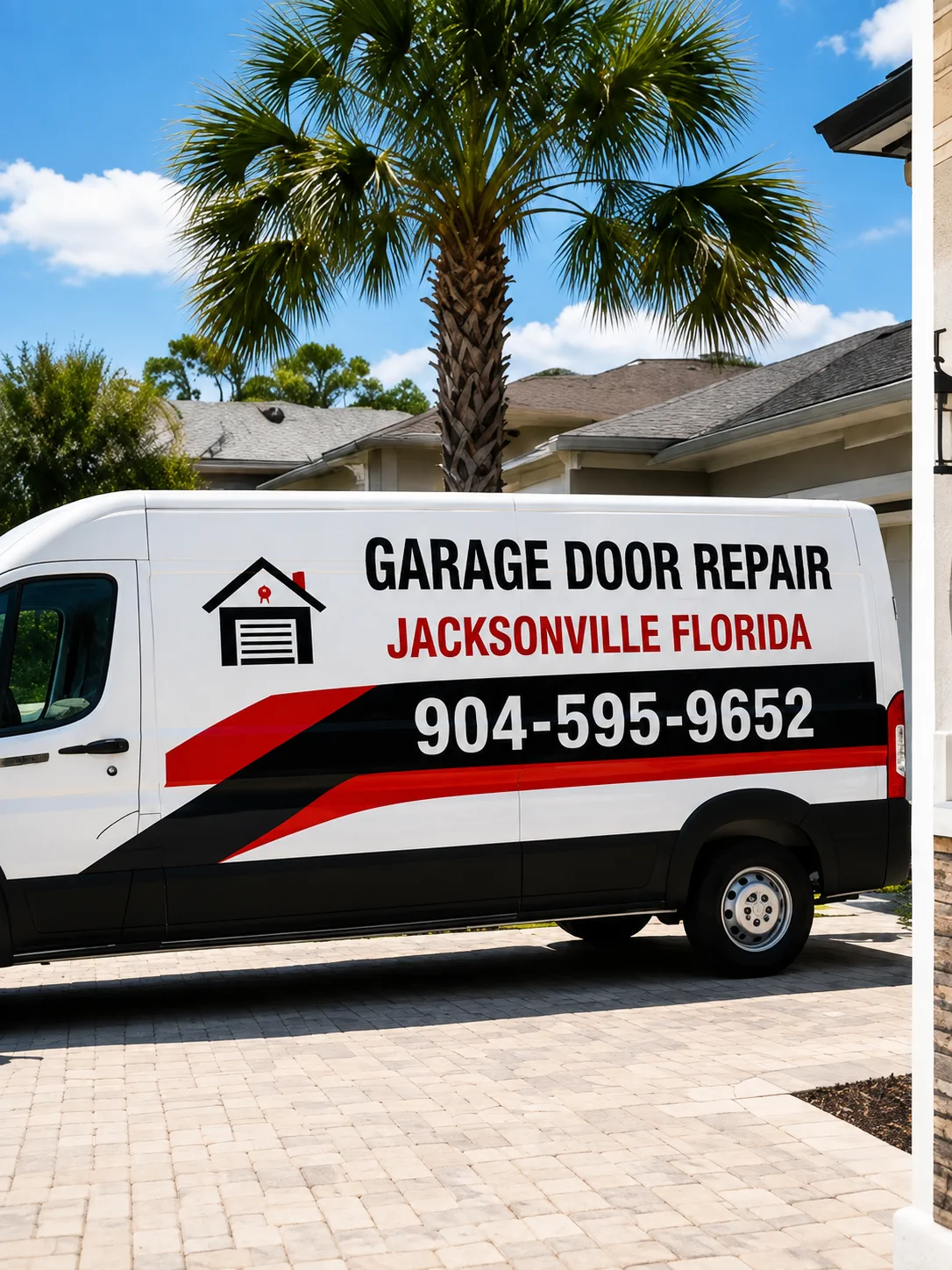
A better first move
A door that will not open, closes unevenly, grinds, or suddenly feels heavier can turn a simple routine into a major interruption. The right repair starts with understanding what changed.
Garage Door Repair Jacksonville Florida helps homeowners identify common problems across complete residential door systems. That includes springs, openers, lifting cables, tracks, rollers, hinges, panels, controls, and related hardware. A repair request can be focused on one component, but the connected parts still matter because they share the work of lifting and guiding the door.
A noisy door may have more than a lubrication issue. A door that stops halfway may involve spring balance, opener settings, worn rollers, track alignment, or resistance at one point in the travel. When an opener appears to fail, the mechanical door may be the reason it is straining. We explain the likely cause in plain language and keep the next step focused.
Interactive Jacksonville garage door tools
Use the symptom checker to describe what the door is doing, then review the cost factors that shape a useful estimate. These tools provide general guidance for the next service step; they do not diagnose a loaded door or publish a company price.
Answer a few questions about what your garage door is doing to identify the most likely type of problem.
If you are asking why won't my garage door open, or why a garage door won't close, answer each question based on what you can see and hear safely.
Safety-first guidance
This checker suggests a likely repair path. It does not replace a professional inspection of a heavy, loaded door system.
Most likely result
The answers do not point clearly to one component. A professional inspection can connect the door position, movement, hardware, and opener behavior before a repair decision is made.
These result types explain the repair paths this checker considers. They are visible here so the questions and guidance remain useful whether you are exploring a symptom or preparing to call.
A loud bang, unusual door weight, a visible spring separation, or an opener struggling to lift can be consistent with a spring problem.
Loose, hanging, or frayed cables, a crooked door, and movement on one side can point to a lift cable or related drum and balance issue.
An off-track door, uneven travel, or grinding and squealing can involve the tracks, rollers, hinges, brackets, or the door path.
A door that reverses before closing or sensors that blink or appear misaligned can indicate a safety-sensor or control concern.
An intermittent remote or wall control, an opener that runs without lifting, or a door that barely moves can involve the opener or the mechanical door it is trying to move.
A crooked door, unusual noise, or rough movement can follow a damaged panel, hinge, bracket, or other supporting hardware.
Your answers overlap more than one repair path. Springs, cables, tracks, rollers, sensors, panels, and the opener work as one system, so a complete evaluation is recommended.
The answers do not point clearly to one component. A professional inspection can connect the door position, movement, hardware, and opener behavior before a repair decision is made.
Pricing context
Garage door repair cost in Jacksonville, FL can vary because a visible symptom does not always identify every failed part. These are the main questions behind a useful estimate.
A broken spring, damaged cable, worn roller, bent track, sensor issue, opener problem, or damaged panel can each require a different scope of work and parts.
Single, double, and oversized doors can use different springs, cables, rollers, panels, and opener loads. Heavier construction can change the planning range.
Torsion and extension spring systems have different layouts, parts, balance considerations, and related hardware to inspect.
A loose cable or off-track door may also involve drums, brackets, rollers, hinges, sections, or track alignment that affect the repair.
The motor, rail, drive, trolley, controls, sensors, and travel behavior matter, as does the mechanical door load the opener is carrying.
Part availability, compatibility, manufacturer, model, age, and the door’s current hardware can change the practical repair path.
A dented, cracked, bent, storm-damaged, or discontinued panel may need matching sections or a comparison with full-door replacement.
A door that cannot secure the garage, is unstable, or needs an urgent response may have a different service scope from routine planning.
Jacksonville problem guide
Garage door symptoms often overlap. The useful starting point is what changed: the door’s weight, balance, sound, path, control response, or ability to secure the opening. These common patterns explain what to notice without asking a homeowner to diagnose a loaded component or force a damaged door.
A sudden loud bang, a door that becomes heavy, an opener that struggles, or a visible separation in a torsion spring can point to spring-cycle wear or failure. Springs counterbalance the door, so their condition affects cables, drums, rollers, and the opener too.
Read about spring repairA loose cable, a cable off its drum, or a door that hangs lower on one side is a lifting-system concern. Cable position is connected to spring balance, drums, bottom fixtures, brackets, and the door’s alignment. Do not pull a cable back into place or keep cycling the opener.
Read about cable repairImpact, a bent track, damaged rollers, shifted brackets, or cable trouble can move a door out of its intended path. An unstable door can worsen when opener power is applied, so a visibly off-track or partly hanging door should stay still while the tracks, rollers, cables, and sections are evaluated.
Read about track repairAn intermittent remote, a motor that runs without moving the door, reversing, sensor trouble, or changed travel limits can all look like an opener failure. The opener may be responding to a heavy or binding door, so controls, sensors, drive parts, springs, tracks, and balance need to be considered together.
Read about opener repairGrinding, squeaking, scraping, or rattling can come from worn rollers, hinges, tracks, opener drive parts, loose hardware, or an unbalanced door. The location and timing of the sound are useful clues. A noisy door may need roller or track service, not just a quick surface fix.
Read the noisy-door guide Review roller repairFocused service paths
Broken springs, unreliable openers, damaged cables, bent tracks, worn rollers, damaged panels, maintenance needs, emergency failures, and new-door installation each have a focused page. If you are not sure which component is involved, use the symptom description on the estimate form or call directly.
The services fit together as a decision path. Spring and cable problems affect lifting and balance; tracks, rollers, hinges, and panels shape the door’s travel; the opener, remotes, wall control, sensors, and limits manage movement and safety. A focused request can start with the part you recognize, while the related hardware is checked for the reason the symptom appeared.
Use the stuck-door guide when the door will not open, the noisy-door guide when sound is the first clue, or the cost guide when you are planning a conversation. The card links below then lead to the service-specific questions, safety notes, and local connections.
A broken or tired spring can make a Jacksonville garage door suddenly heavy, uneven, or unsafe to operate; the lifting system should be evaluated together.
Explore garage door spring repair in JacksonvilleTroubleshooting for Jacksonville openers that click, hum, reverse, stop halfway, or work only sometimes, with the mechanical door checked alongside controls and sensors.
Explore garage door opener repair in JacksonvilleHelp for frayed or snapped lift cables, cables off the drum, and doors hanging on one side; springs, drums, tracks, and balance matter too.
Explore garage door cable repair in JacksonvilleFor doors that scrape, bind, leave the track, or move unevenly after impact, corrosion, or hardware wear; the rollers and connected lifting parts deserve a check.
Explore garage door track repair in JacksonvillePlan a replacement or new residential garage door around the Jacksonville home, the opening, Florida weather, and everyday use.
Explore garage door installation in JacksonvilleFor a door that is stuck, unstable, unsecured, or trapping a vehicle and needs prompt attention from a safety-focused service request.
Explore emergency garage door repair in JacksonvilleFor doors that squeak, grind, shake, or move unevenly when worn rollers or bearings make the travel rough; tracks, hinges, and balance should be checked with them.
Explore garage door roller repair in JacksonvilleEvaluate a dented, cracked, bent, rusted, or impact-damaged section and determine whether a matching panel or a complete replacement door fits the condition.
Explore garage door panel replacement in JacksonvilleA complete check of the moving door, lifting hardware, opener, safety features, seals, and exposed components before a small change becomes a larger interruption.
Explore garage door maintenance in JacksonvilleGarage Door Problem Finder
Choose the symptom that sounds closest. Each option opens a regular service or information page with the next questions to consider.
Door stuck closed, partially open or refusing to move? Start here.
Start hereA sudden bang from the garage can be associated with spring failure.
Start hereA loose, frayed or disconnected cable can leave the door uneven or unsafe to operate.
Start hereAn uneven door can involve a cable, spring, roller, track, hinge, or panel issue.
Start here Also review track repairAn off-track door should stay still while its path, rollers, brackets, and cables are evaluated.
Start hereThe opener may be involved, or a spring, cable, track, or balance problem may be adding load.
Start hereGrinding, squeaking, scraping, rattling, popping, or humming can point to different parts.
Start hereRough movement can involve rollers, tracks, hinges, panels, balance, or the opener.
Start hereA damaged section may be replaceable, or the condition may call for a full-door comparison.
Start hereReview wind-rated replacement, product documentation, opening structure, and project requirements.
Start hereStart with the opening, door style, insulation, hardware, opener, and Florida project considerations.
Start hereHelpful garage-door guides
Learn what affects repair cost, how to compare repair and replacement, what a noisy door may be telling you, and how Florida weather can affect a garage door.
The parts work together
Springs, cables, drums, rollers, tracks, hinges, panels, and openers share the job of moving a heavy door. A visible failure can be the result of another component placing it under strain.
Springs provide lifting assistance, cables carry that assistance through the drums, and the door sections follow the tracks on rollers connected by hinges. Panels and brackets have to stay rigid enough for that movement, while the opener supplies the controlled motion rather than the balance itself.
That is why a weak spring can make an opener work harder, a cable problem can leave one side of the door lower, and a worn roller can create both noise and track movement. A panel damaged in an impact can change the path, and a shifted track can make the opener appear unreliable when the mechanical door is binding.
Controls and safety sensors are part of the same conversation. Remotes, wall controls, travel limits, and the opener drive tell the door when to start, stop, and reverse, but they cannot correct a heavy or unstable door. A system-level check keeps the explanation connected to the symptom without turning spring or cable work into a risky home repair.
Broken or worn springs can make the door too heavy for the opener and change how cables sit on their drums.
Rollers, vertical tracks, horizontal tracks, hinges, and brackets have to keep each section moving through the opening.
Remotes, wall controls, sensors, travel limits, and the opener drive affect whether the door starts, stops, or reverses.
Jacksonville heat, humidity, rain, storms, coastal salt, and frequent cycles can reveal wear in exposed hardware.
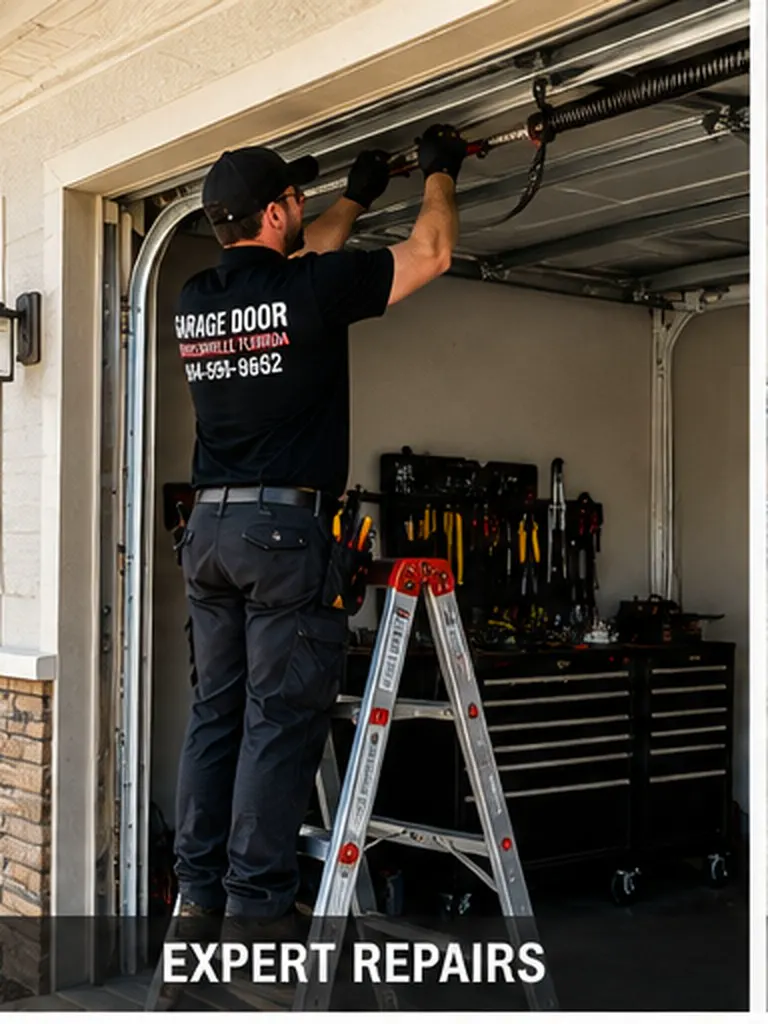
Repair or replacement?
A sound door with a focused failure may need repair. Major section damage, several deteriorated parts, or repeated repairs can make replacement worth comparing.
A measured decision
Repair may be the right direction when the failure is isolated and the sections, opening, and supporting structure are still sound. A broken spring, damaged cable, worn roller, focused track problem, opener component, or one replaceable panel can often be considered on its own. The surrounding hardware still matters because a single failure can leave extra load elsewhere in the door.
Replacement deserves a closer look when multiple panels are deteriorated, structural damage is substantial, a matching section is unavailable, corrosion is widespread, or repair problems keep returning. A new door can also make sense when the homeowner wants improved insulation, another style, updated windows, or a different wind-rated product configuration. Those goals belong in the conversation rather than being treated as proof that repair is wrong.
The comparison should include the door’s age, repair history, part availability, opener compatibility, the condition of the opening, and how the garage is used. Read the full repair-or-replace guide before comparing a focused repair with garage door installation. If one section is damaged, the panel replacement page explains why a visual match is not guaranteed.
Compare the whole decision
Problem finder
A symptom is a better first step than guessing at a part. Use the table to find a relevant service or guide, then describe the door’s position, movement, and control response when you request an estimate.
| Symptom | Possible areas to evaluate | Helpful page |
|---|---|---|
| Door suddenly feels heavy | Springs / lifting system | Spring Repair |
| Door hangs crooked | Cable / track / spring | Cable Repair |
| Loud grinding | Rollers / track / opener | Noisy Garage Door |
| Motor runs but door does not move | Opener / spring / mechanical door | Opener Repair |
| Door jumped the track | Track / rollers / cables | Track Repair |
| One panel is badly damaged | Panel / complete door condition | Panel Replacement |
| Repairs keep repeating | Overall door condition | Repair or Replace |
| I want a new door | Door / opening / wind requirements | Installation |
Built for Northeast Florida conditions
Climate does not diagnose a failure by itself, but it is helpful background when exposed metal, seals, rollers, tracks, cables, and opener components change behavior.
Jacksonville neighborhoods such as Mandarin, along with nearby beach communities, can put different kinds of exposure on a door. Humidity and heavy rain can affect seals and metal hardware. Storms can reveal impact or alignment problems. Coastal salt air can add corrosion considerations for homes closer to the beaches. Frequent opening and closing adds another source of ordinary cycle wear.
Warm, humid air can make exposed hardware, weather seals, finishes, and opener electronics worth observing over time. It does not prove that climate caused a failure. Changes in resistance, sound, balance, or control behavior are the useful clues.
Rain can reveal a worn seal or gap, while wind, debris, or impact can leave a panel damaged, a bracket shifted, or a track out of alignment. A door that becomes crooked or unstable after weather should not be cycled again until it can be assessed.
Salt-laden air is especially relevant around Jacksonville Beach, Atlantic Beach, Neptune Beach, Ponte Vedra Beach, and Intracoastal areas. Springs, cables, tracks, fasteners, rollers, and panels can show different corrosion patterns. Read the salt-air corrosion guide for the signs that connect surface wear to function.
Florida replacement projects can involve wind-load requirements, approved products, opening dimensions, and project-specific permit questions. There is no universal wind-speed answer for every property. The wind-rated door guide explains what to confirm for the selected door and opening.
Moisture can make exposed hardware, seals, fasteners, and rollers worth a closer look.
Daily vehicle access can reveal spring-cycle wear, loose hardware, and changes in balance.
Wind, impact, or a shifted track can leave a door crooked, noisy, or unable to close.
Beach-area exposure can contribute to corrosion on metal parts; the actual condition still needs evaluation.
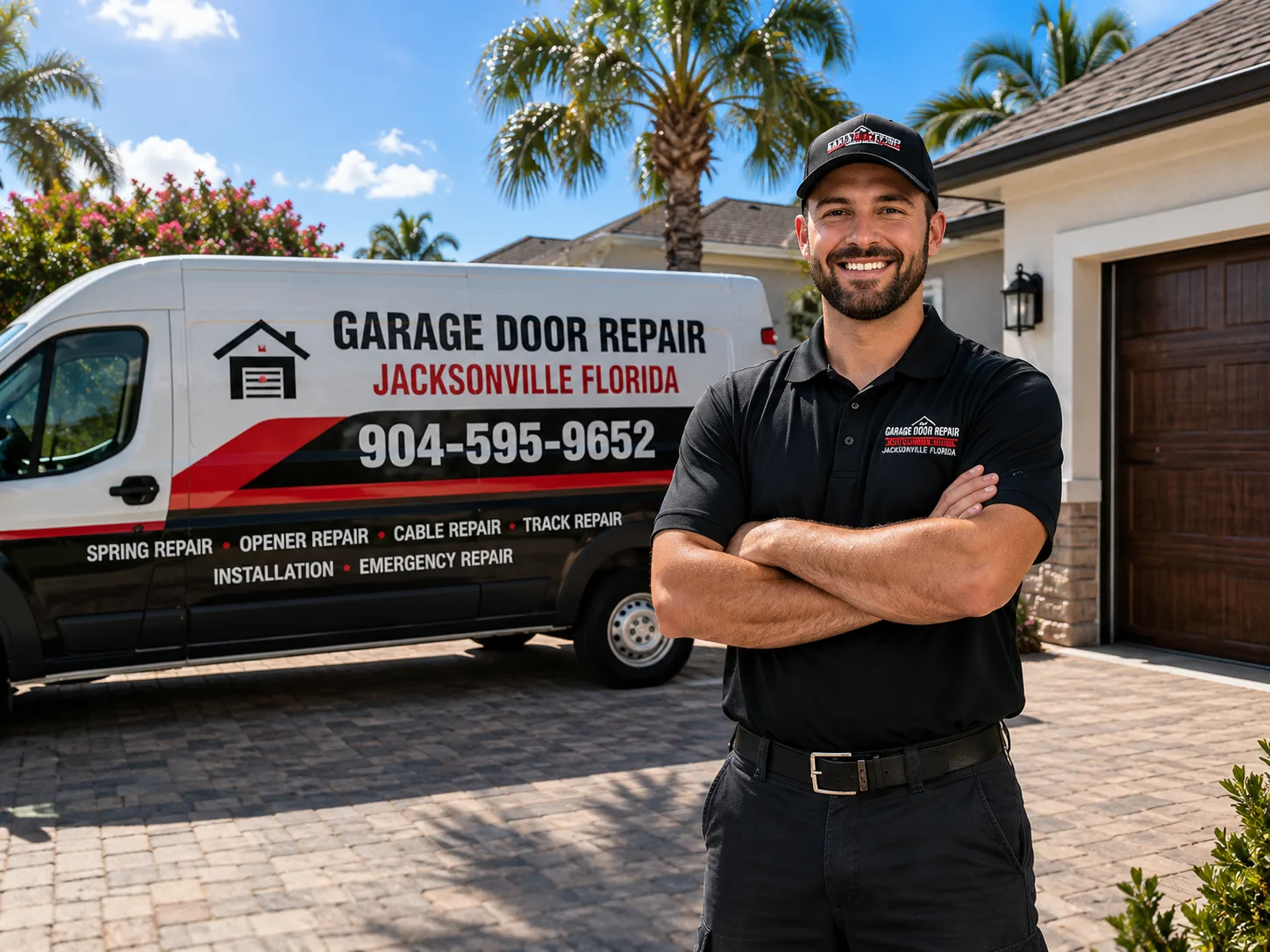
A calm service process
A useful service conversation starts before any part is changed. The goal is to understand the failure, explain the options, and make sure the door is safe to return to normal use.
Tell us whether the door is stuck, noisy, crooked, heavy, reversing, or no longer responding to a control.
The door, springs, cables, drums, rollers, tracks, hinges, panels, opener, controls, and safety features are considered together.
You get a straightforward explanation of what appears worn, damaged, misaligned, or out of adjustment.
Repair, urgent stabilization, replacement, or installation can be discussed based on the condition of the actual system.
After approved work, the door’s travel, balance, opener behavior, and safety functions are checked before regular use.
Replacement and installation
When a new door is the right direction, the conversation includes how it looks, how it insulates, how it moves, and how it fits the opening.
Steel, insulated, carriage-house, contemporary, full-view, and windowed doors each create a different balance of curb appeal, privacy, light, weight, and upkeep. The right choice depends on the property and the system behind the door. Replacement doors may need to meet current Florida or local wind-load and permitting requirements depending on the project; product and permit requirements should be verified for the specific property.
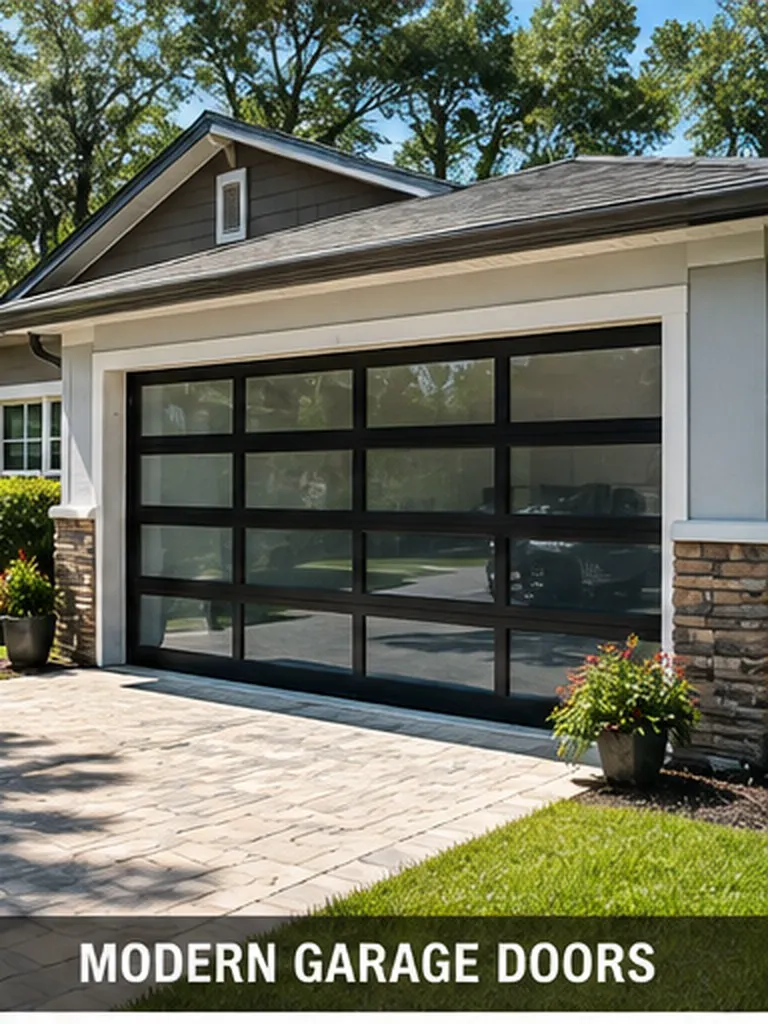
Clean panel design and windows can bring light and a contemporary profile to a new installation.
Explore installation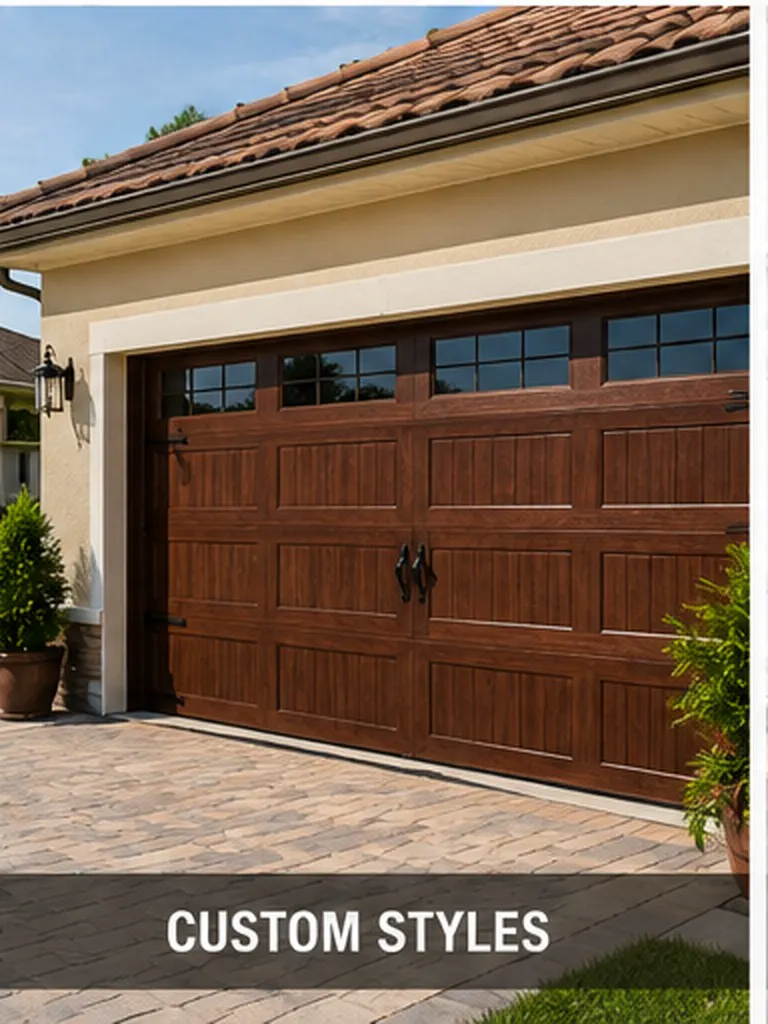
Hardware, panel proportions, and window placement can support a more traditional exterior.
Plan a replacementJacksonville — main service area
Jacksonville is the main service area, with nearby guides across Duval, Clay, and St. Johns County. Each page adds property and weather context for its community.
Central Jacksonville neighborhoods and established inland areas can include older sectional doors, partial hardware upgrades, tree-shaded openings, and openers from different generations. Newer St. Johns County communities may have larger two- or three-car garages, insulated sections, and smart controls. Clay County suburbs can combine planned neighborhoods with larger lots and detached or mixed-use garages.
The Jacksonville Beaches and nearby coastal communities bring another layer of humidity, salt exposure, compact lots, and weather-facing hardware. Housing age, garage size, door style, coastal exposure, hardware age, and daily cycles can change what a spring, cable, track, roller, or opener symptom looks like. Browse a community page for context, then use the service-areas hub or request an estimate for the next step.
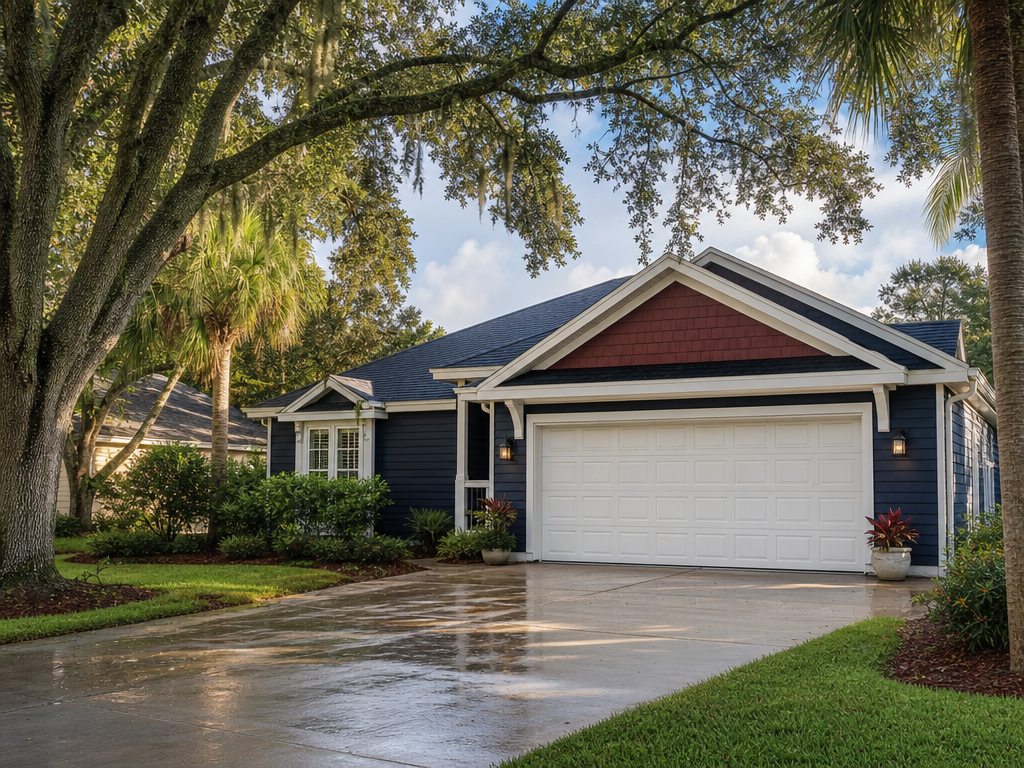
Clay County homes range from established neighborhoods to newer construction, with mature tree canopy and daily garage use. Humidity, storms, and mixed hardware ages can show up as spring, cable, track, or opener symptoms.
Explore garage door repair in Orange Park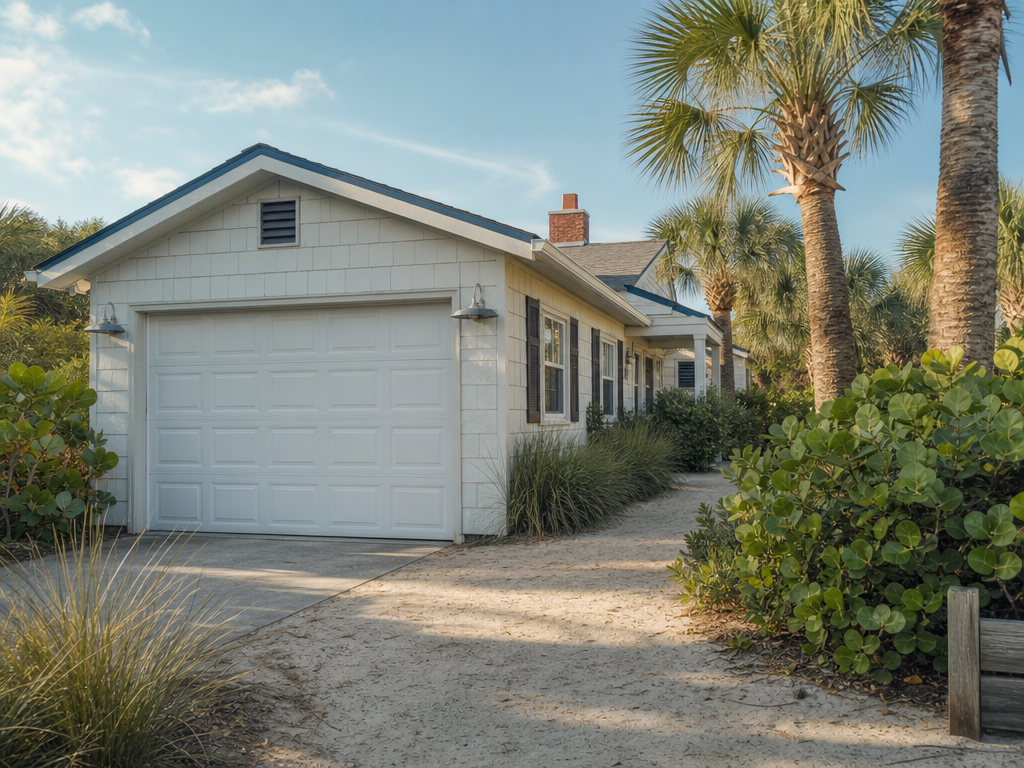
Coastal salt air and humidity can add corrosion considerations for exposed springs, fasteners, tracks, cables, and rollers. We help separate coastal wear from the actual mechanical or opener failure.
Explore garage door repair in Jacksonville Beach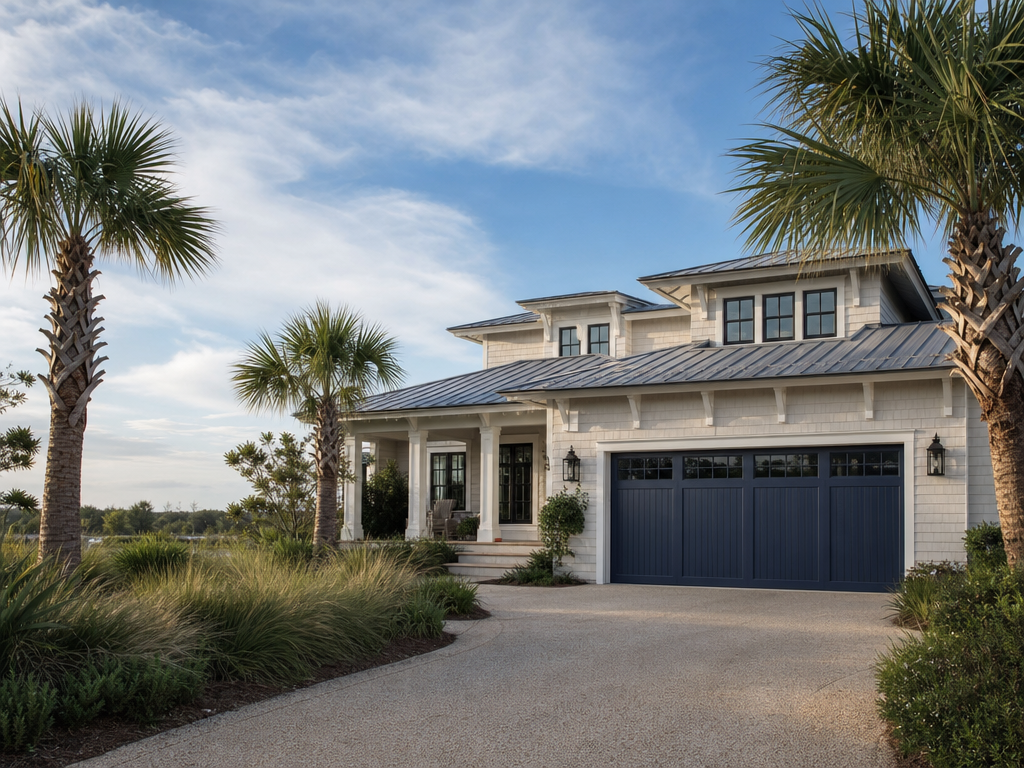
Newer and custom homes may have larger garages, insulated doors, carriage-house styles, full-view designs, and upgraded controls. Door weight, coastal exposure, and opener compatibility all matter.
Explore garage door repair in Ponte Vedra Beach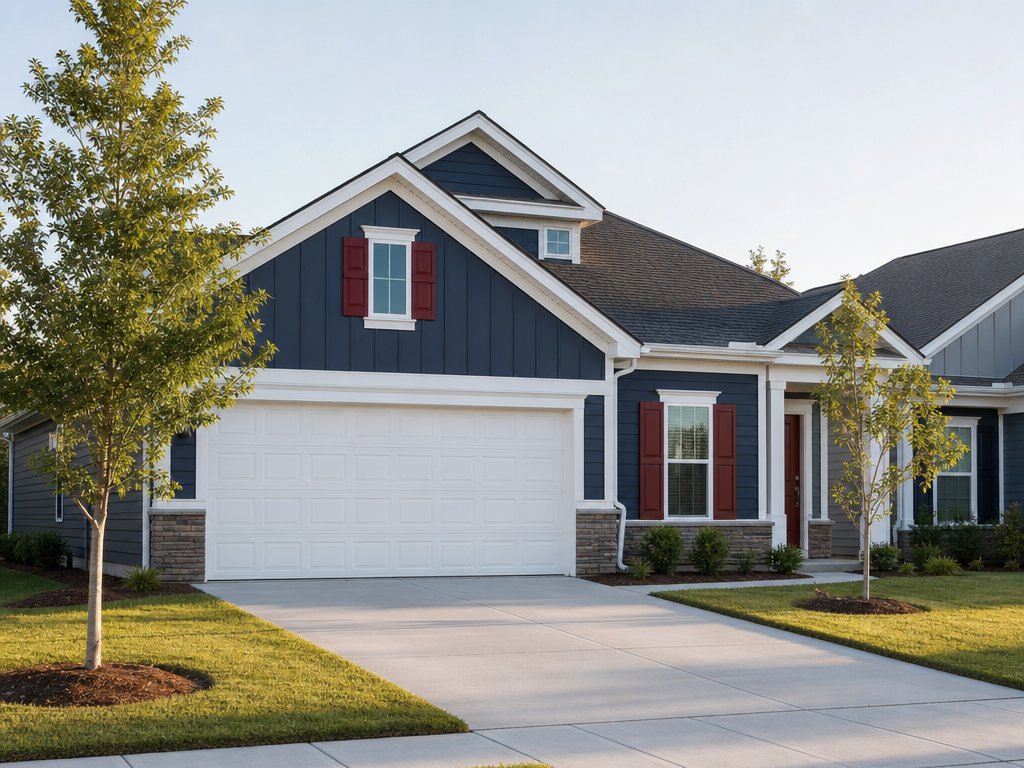
Planned communities and two- or three-car garages often use modern sectional doors and smart openers. A control symptom still needs to be checked alongside springs, cables, tracks, sensors, and balance.
Explore garage door repair in St. Johns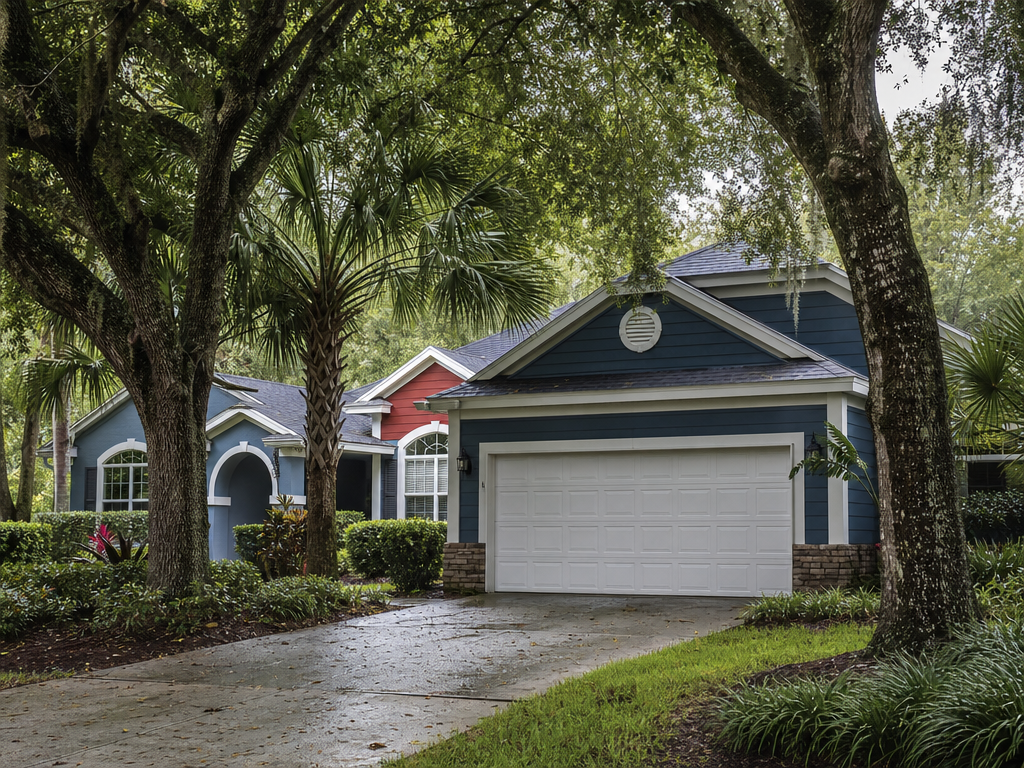
Established planned communities, tree-shaded openings, and larger residential garages create a varied mix of door ages. We look at the whole system before recommending repair or replacement.
Explore garage door repair in Fleming Island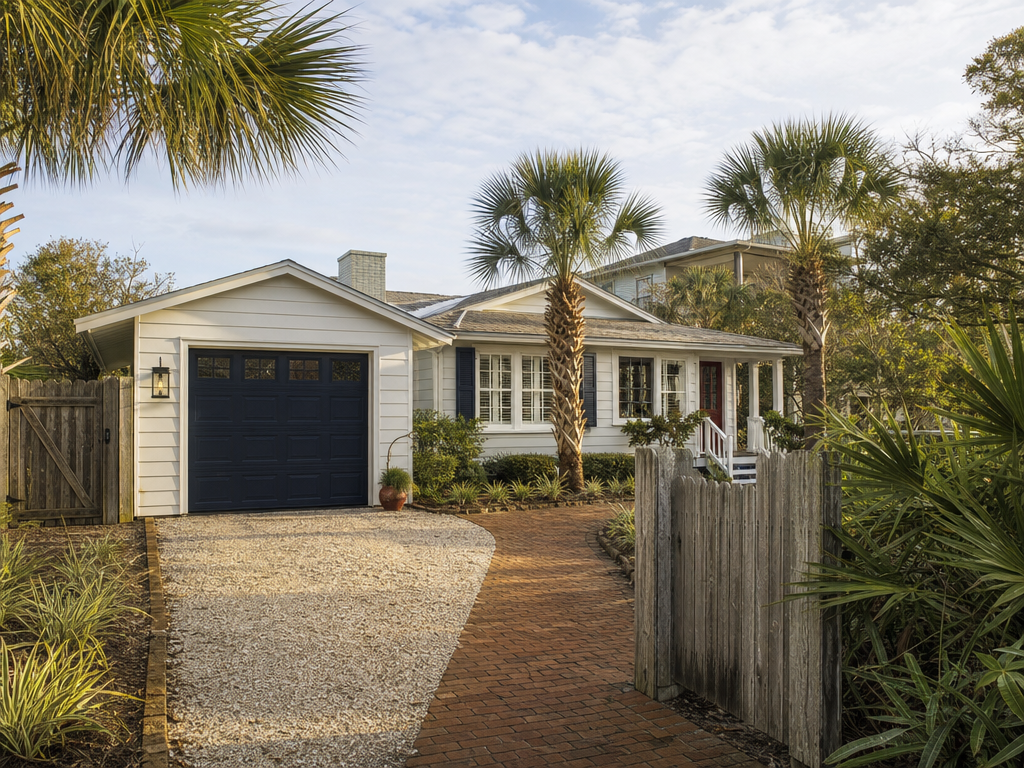
Older and remodeled coastal properties can have exposed hardware or systems updated in stages. Salt exposure, compact openings, and the door’s current security all help shape the next step.
Explore garage door repair in Atlantic Beach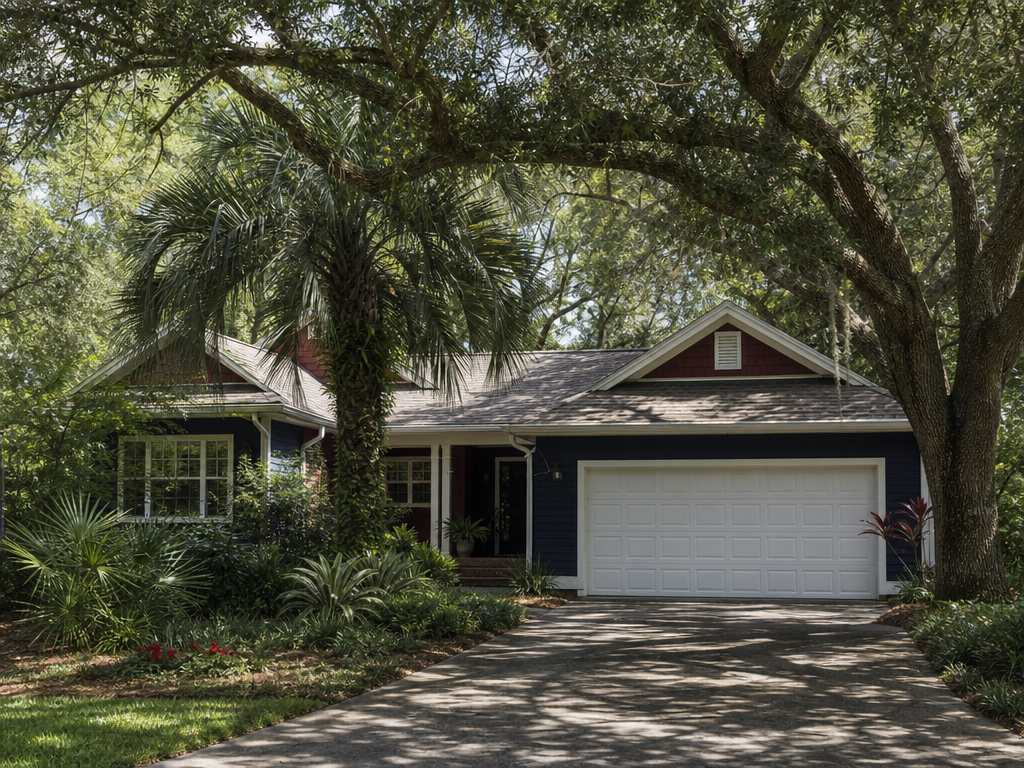
Mandarin garage-door requests can span mature hardware, newer systems, tree-shaded openings, and storm exposure. The symptom and the affected point in the travel cycle are useful details.
Garage door repair in Mandarin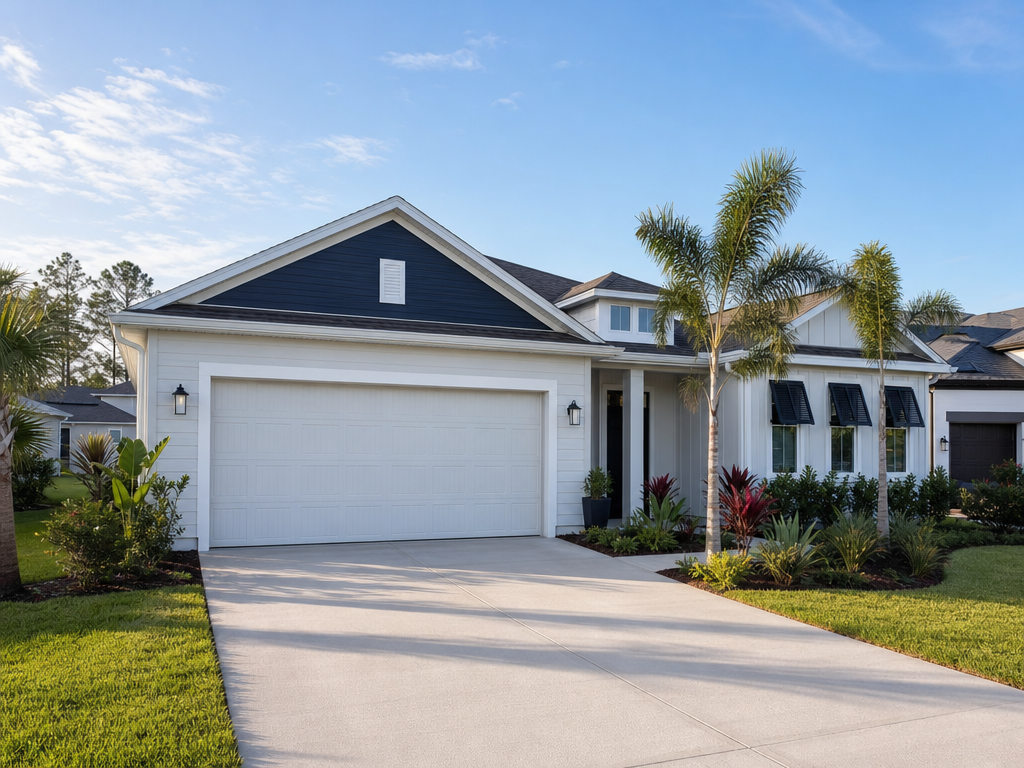
Nocatee doors may combine newer construction, smart controls, insulation, and multi-car openings. Include both the control symptom and the physical door behavior in your request.
Garage door repair in Nocatee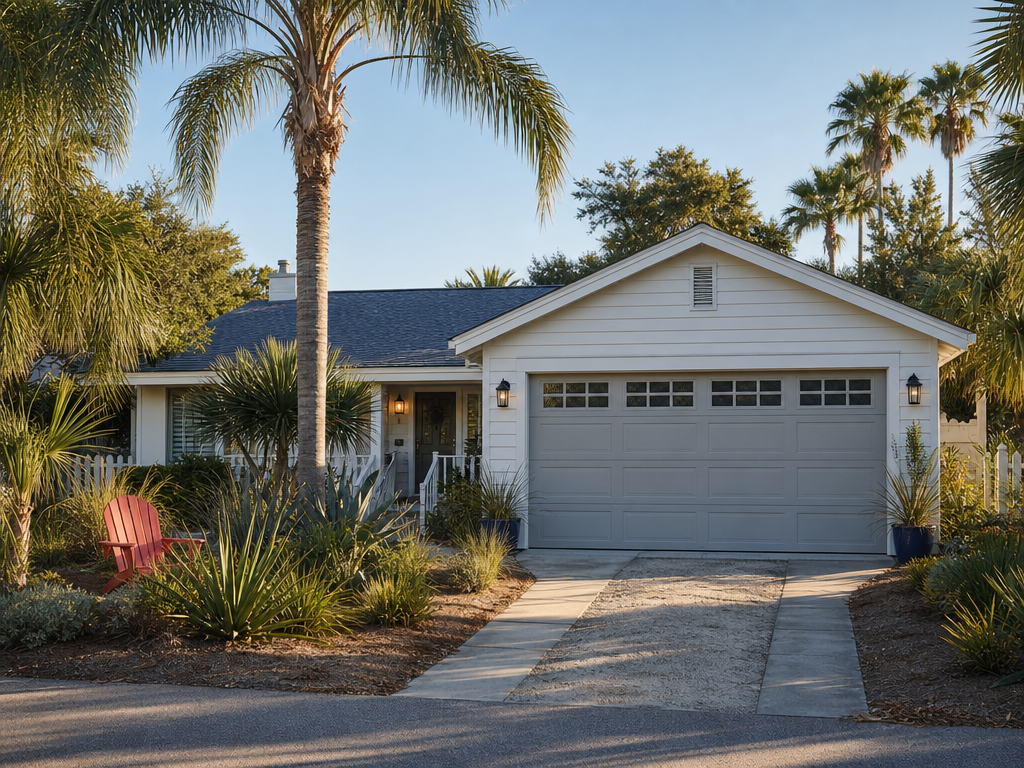
Neptune Beach requests can involve coastal exposure plus older or renovated systems. Mention property history, visible corrosion, and whether the door can be secured.
Garage door repair in Neptune Beach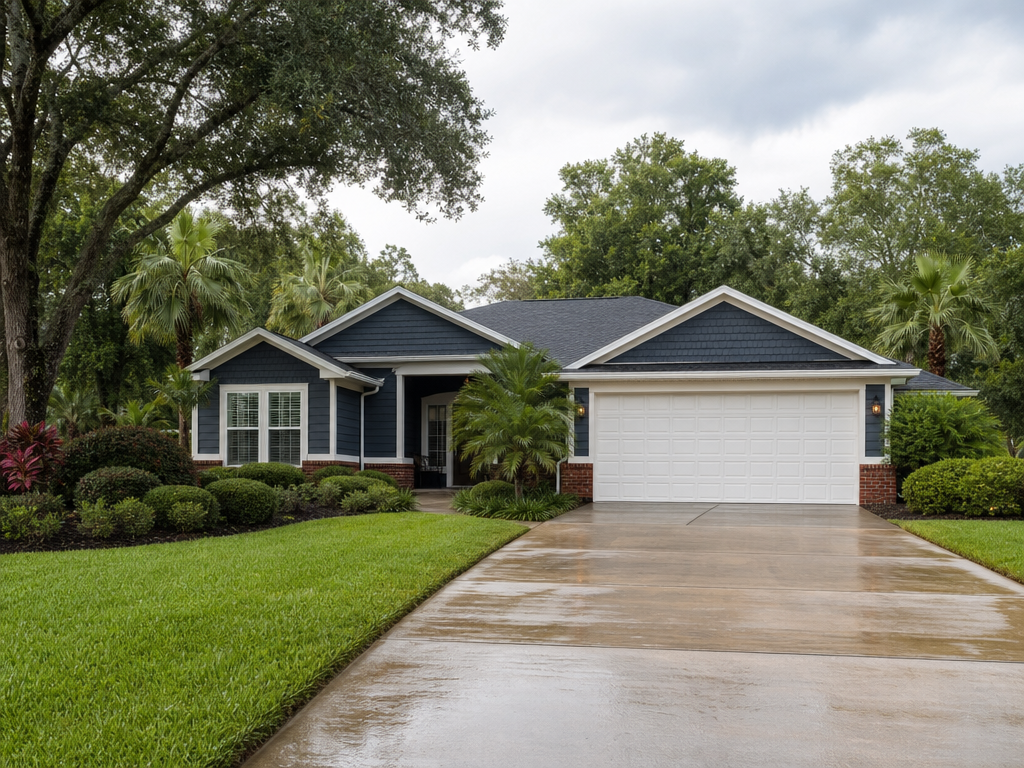
Fruit Cove requests often span established systems, larger residential lots, humidity, and mixed hardware ages. Describe both the symptom and the door position.
Garage door repair in Fruit Cove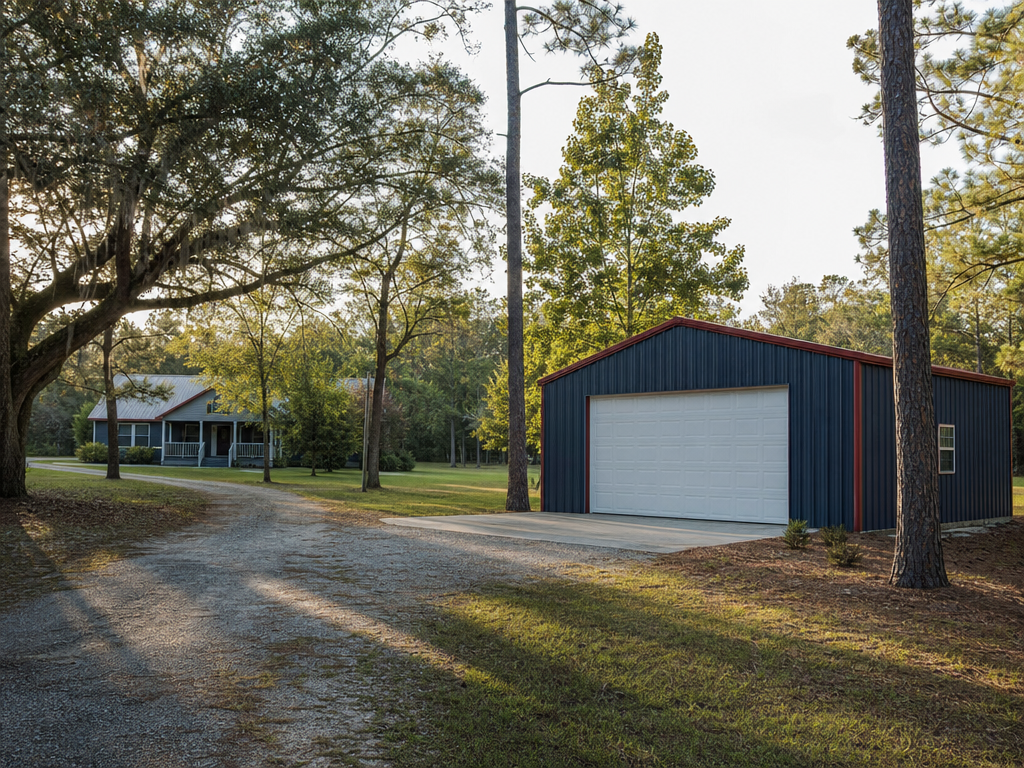
Middleburg properties can include larger lots, detached garages, and mixed usage. Note the door type, opening size, and whether it serves the home or a separate structure.
Garage door repair in Middleburg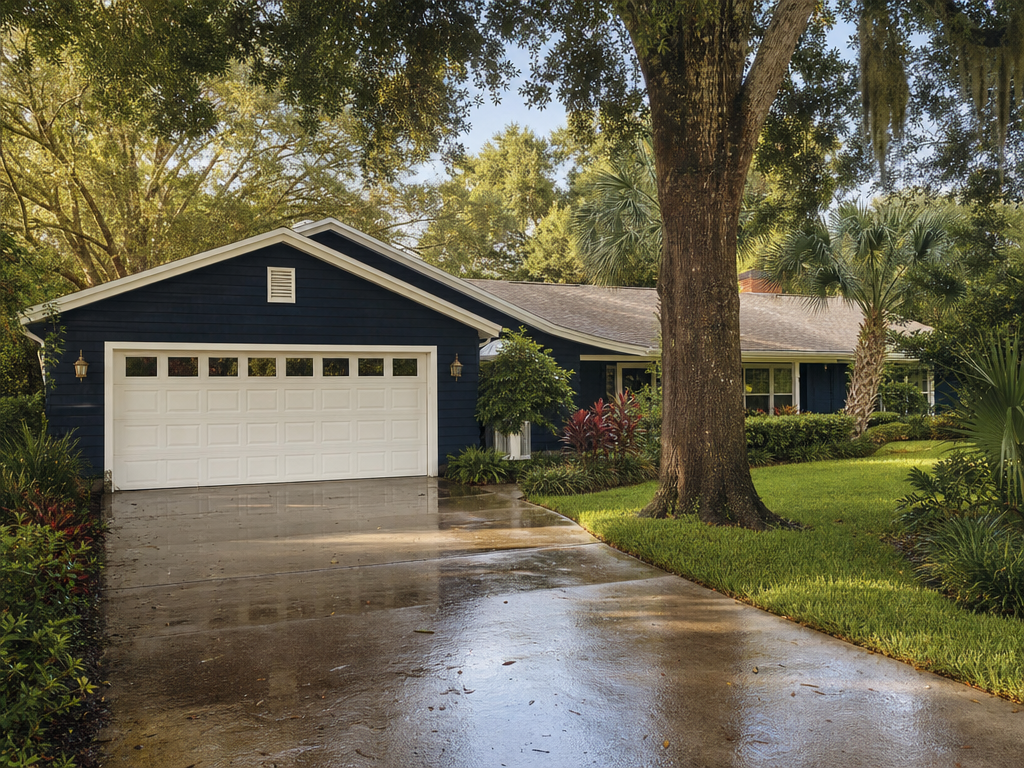
Green Cove Springs combines established and newer homes with varied weather exposure. Mention the system’s age, visible corrosion, and whether the issue followed a storm or impact.
Garage door repair in Green Cove SpringsWhat customers can expect
The standard is simple: listen carefully, explain what is happening, and respect the property and the safety of the door system.
Helpful answers
The opener may be reacting to a blocked or misaligned safety sensor, a travel-limit change, the bottom seal, or resistance as the door reaches the floor. Note whether it reverses at the same point and whether the door feels smooth before asking for an evaluation.
A door that sits lower on one side can involve a lift cable, spring balance, roller, track, hinge, or damaged section. Stop using the opener when the door is visibly uneven; continued movement can add load to the remaining hardware.
Sometimes. The manufacturer, model, section height, profile, windows, insulation, finish, and hardware positions determine whether a replacement section can match. If the design is discontinued or several sections are damaged, comparing a complete door may be more sensible.
The motor may be dealing with a disconnected trolley, drive problem, broken spring, cable issue, track resistance, or a door that has become too heavy. Stop repeated cycles when the door is heavy or unstable instead of asking the opener to carry the load.
An older door can still deserve a focused repair when its sections and supporting structure are sound. Replacement becomes a stronger comparison when several parts are deteriorated, panels are unavailable, corrosion is widespread, repairs recur, or improved insulation, style, or wind-related features matter.
Coastal salt-laden air can contribute to corrosion on exposed springs, cables, tracks, rollers, brackets, fasteners, and panels. The effect varies with distance, exposure, ventilation, and material. Function matters most: rough movement, loosening, pitting, or lost support deserves attention.
Share the community, door position, symptom, point in the travel where it changes, opener response, recent impact or storm, and any visible spring, cable, track, roller, or panel concern you can see safely. Mention if the garage cannot be secured or a vehicle is trapped.
Heat, humidity, and rain can make exposed hardware, seals, finishes, and electronics worth a closer look, but they do not identify a failure by themselves. A change in sound, balance, resistance, or control behavior is more useful than assuming the weather caused the problem.
Treat a stuck-open or partially hanging door, an off-track door, a loose cable, a broken spring, severe impact, an unsecured opening, or a trapped vehicle as urgent conditions. Keep people and vehicles clear and describe the door’s position before trying to move it again.
It can when the existing door is balanced, the mounting and rail arrangement fit, and the opener matches the door’s weight and use. Springs, cables, tracks, rollers, travel limits, sensors, and safety functions should be checked before selecting the new opener.
Stay connected
Follow our official Facebook page for practical garage-door tips, seasonal reminders, and local service updates for Jacksonville and nearby Northeast Florida communities.
Jacksonville garage door service
Request a clear next step for a spring, opener, cable, track, installation, or urgent garage-door problem in Jacksonville.