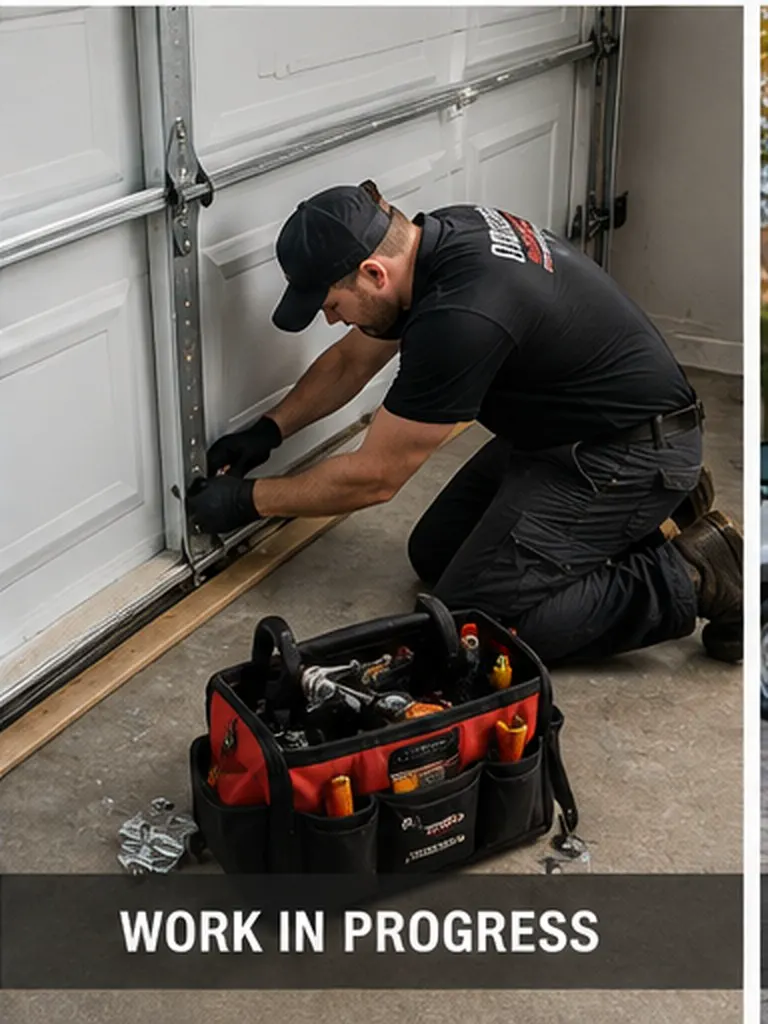
Call for urgent garage-door service in Jacksonville
Roller wear and rough travel
Garage Door Roller Repair in Jacksonville, FL
For doors that squeak, grind, shake, or move unevenly when worn rollers or bearings make the travel rough; tracks, hinges, and balance should be checked with them. The service page explains the likely failure, related hardware, and the safest next step for the door.
A complete door-system check keeps the repair connected to the symptom.
Start with what you notice
Signs this roller repair may be the right place to begin
A symptom can involve more than one part. These common patterns help you describe the problem without needing to diagnose it yourself.
The door squeaks, grinds, or rattles as it travels
Sections move in a jerky or uneven way
A roller looks cracked, worn, or out of the track
The door vibrates or creates resistance at one point
Safety note: Garage doors are heavy, and springs and cables can store significant energy. Do not wind springs, pull loose cables, or repeatedly cycle an unstable door.
What garage door rollers do
Rollers sit in the side tracks and help each door section move from the vertical opening into the overhead position. They work with the hinges, tracks, springs, cables, brackets, and opener to keep the sections moving together. When a roller becomes rough or damaged, the door may still open, but the extra resistance can be heard and felt through the whole system.
A roller problem is not always visible from the driveway. A bearing can wear inside the roller, a stem can become loose, or a wheel can develop a flat or cracked section. The door may sound louder near one point in its travel, shake as it turns the corner, or hesitate when the opener is carrying the load.
Noisy, jerky, and uneven movement
Squeaking can come from a dry or worn roller, but it can also be related to hinges, track contact, loose hardware, or another moving component. Grinding is more concerning when a wheel or bearing is breaking down or a roller is rubbing against a damaged track. Rattling may point to a loose bracket, panel, hinge, or opener component instead of the roller alone.
The location and pattern of the sound help narrow the evaluation. A noise that appears at the same height every cycle may point toward a track transition, roller, hinge, or obstruction. A door that shakes across its whole travel may have more than one worn roller or a balance and alignment concern. The sound is a useful clue, not a complete diagnosis.
Nylon, steel, and bearing wear
Nylon rollers can provide quiet travel, while steel rollers and bearing-supported designs have different sound, wear, and maintenance characteristics. The correct replacement depends on the roller size, stem, hinge arrangement, door weight, track condition, and the way the door is used. A part that fits one residential door is not automatically the right match for another.
Jacksonville humidity and rain can make exposed metal condition more relevant, especially around tracks, stems, fasteners, and bearings. Coastal exposure can add corrosion considerations for some properties. Surface discoloration is different from a wheel, bearing, bracket, or track that has lost smooth movement or structural support.
Rollers share the work with tracks and hinges
A new roller cannot correct a bent track, shifted bracket, damaged hinge, or door that is out of balance. Conversely, a track that looks acceptable can still feel rough when a roller bearing is worn. We look at the roller path, the spacing and alignment of the tracks, the hinges between sections, and the spring-and-cable system that lifts the door.
If a roller has left the track or one side of the door is hanging lower, stop operating the door with the opener. Continued movement can bend the track, pull hardware from a section, damage a cable, or make an unstable door harder to secure. A focused roller repair may be enough, but the related parts should be understood before regular use resumes.
When roller service becomes a wider repair question
Replacing one visibly worn roller may solve a focused noise, but several rollers with similar age or wear may call for a broader conversation. The condition of the tracks, hinges, brackets, cables, springs, panels, and opener affects the recommendation. If the door has repeated repair needs or major section damage, replacement can be evaluated without assuming that every noise requires a new door.
A useful service request includes the sound, the point in the travel where it occurs, whether the door is crooked, and whether the opener is straining or reversing. Do not remove loaded hardware or pull a roller out of the track to inspect it. Call 904-595-9652 or request an estimate for a safe evaluation of the door system.
What belongs in the evaluation
The part you see may be connected to another part
The right service stays focused while still checking the hardware that shares the work of lifting, guiding, and securing the door.
Roller wheel, stem, bearing, and hinge condition
Track alignment, brackets, spacing, and surface wear
Door balance, cables, springs, panels, and opener load
Humidity, rain, coastal exposure, and the pattern of the noise
Related garage-door help
Follow the system where the symptoms lead
These related services address connected problems that can appear alongside this request.
These answers focus on roller repair questions that usually come before a service request. They explain what the symptom can mean without turning high-tension garage-door work into a do-it-yourself project.
Neither is right for every door. Nylon rollers can support quieter travel, while steel and bearing-supported designs have different wear and sound characteristics. Size, stem, hinge layout, door weight, track condition, and how often the door cycles determine the suitable replacement.
What does a worn roller bearing sound like?
A worn bearing may create grinding, rattling, or a rough sound that follows one point in the travel. Similar noise can come from a track, hinge, bracket, opener drive, or loose hardware, so the location and the door’s movement matter more than the sound alone.
Should all garage door rollers be replaced at once?
That depends on how many rollers show wear, their age and type, the track condition, and the door’s travel. One isolated failure may call for focused service. Similar wear across several rollers can make a broader repair more consistent than replacing only the loudest one.
Can new rollers fix a noisy garage door by themselves?
They may help when a roller is the confirmed source, but new rollers cannot correct a bent track, shifted bracket, damaged hinge, or unbalanced door. A useful evaluation connects the sound to the roller path, lifting system, and opener before parts are chosen.
Jacksonville-area service
Garage Door Roller Repair requests in nearby communities
Garage Door Repair Jacksonville Florida serves Jacksonville and nearby Northeast Florida communities. These location pages add local background about homes, climate, and the systems common in each area.